
Why Small Offers Still Work
When something gets big enough, it's easier to hide what it doesn't know.

I used to buy expensive programs that promised everything. The sales pages were confident. But the results were definitely not. There was always something missing, some crucial piece they’d left out or glossed over.
For a long time, I blamed myself.
It took years to see the real problem: scale. When something gets big enough, it’s easier to hide what it doesn’t actually know.
Those programs weren’t selling solutions. They were selling the feeling that someone had figured it all out.
I wanted to believe business was a puzzle with a known solution. The programs were expensive because I needed them to be. Cheap things couldn’t possibly hold the answer.
Here’s what I eventually learned: “A mini-guide to planning weekly content” makes sense in a way “The complete business growth system” never does. Not because it’s simpler, but because you can’t hide behind it.
During the pandemic, my business partner and I created hard copy puzzle books for kids and adults. We wanted to help keep people entertained without them being constantly glued to their screens. A simple idea, at a modest price, with a clear purpose. We are actually in the middle of republishing these and adding new ones to the mix.
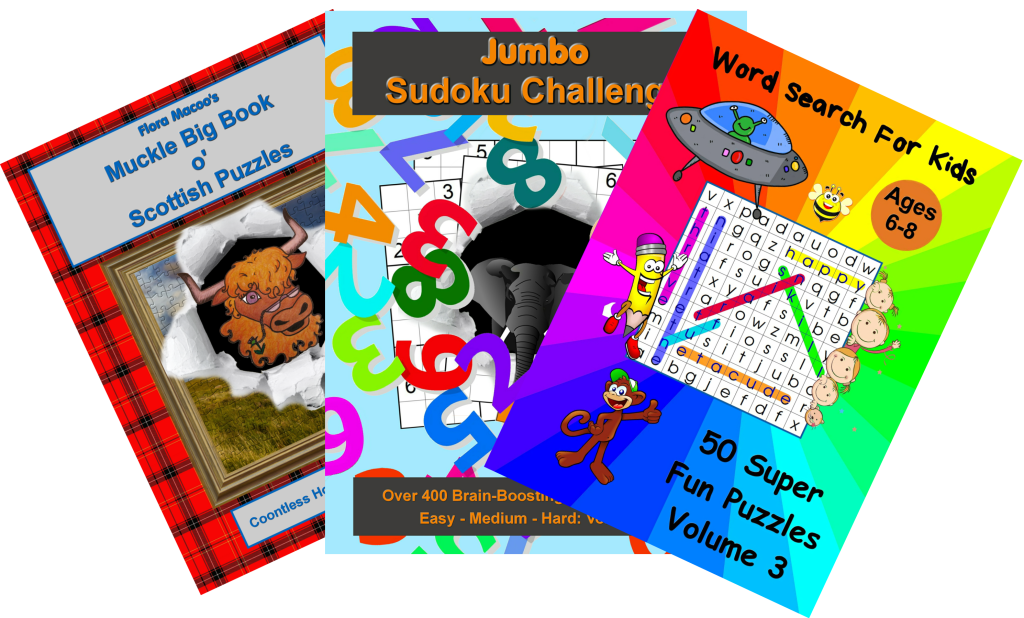
We haven’t promoted them in years but every month we still make money from sales.
What struck me wasn’t the sales themselves, but what they meant. There was no launch sequence and no big promise about how your life would change. People saw what the books were, decided they needed them, and bought them. They used them and moved on.
Most people don’t want to be convinced of anything. They just want to know what they’re getting.
That’s the part most people miss. They think the problem is their marketing or their pricing or their funnel. The problem is they’re trying to sell something they can’t explain in one sentence.
We don’t solve problems all at once with some complete system. We solve them in small, specific steps, one at a time.
Building something big can create excitement while hiding confusion about what it’s actually for. The focus stops being about helping people. Everything becomes about bigger pages, wider funnels, higher prices. The project starts speaking in headlines instead of sentences.
You stop being able to explain what problem your offer solves. You start describing what it is. You list what’s included. Words like comprehensive and complete start appearing everywhere. You’re describing the packaging instead of the problem.
I’ve done this. As an offer got bigger, my language got vaguer. I’d say things like “a complete system for business growth” because I couldn’t say what specific problem it solved. That vagueness should have been a warning, but I was too invested to see it. I’d already built the thing and admitting I didn’t know what it was for would have meant starting over again.
Small offers don’t let you hide. When you can only promise to solve one problem, you have to know exactly what that problem is, who has it, and why it matters right now.
Once you learn to build small offers well, you stop wanting to build big ones. Not because small is easier. Big starts to feel dishonest. People aren’t buying your ambition. They’re buying help with the next step.
Over time, every sale tells you something. You start to see what people actually need, rather than what you assumed they needed. That gap is where most marketing advice falls apart.
There’s also trust, but not the kind that comes from big promises. When someone buys something small from you and it does exactly what you said, they remember. Not because it was impressive, but because it was true.
Reliable beats remarkable.
I don’t care anymore about work that looks impressive. I want work I can understand.
The best small offers aren’t small because the creator couldn’t think bigger. They’re small because the creator knew when to stop. That takes more confidence than building something large.
Most people online are trying to impress. When you’re just trying to help, it stands out.
The hard part isn’t understanding this. The hard part is believing that actually fixing one thing is worth more than promising to fix everything.